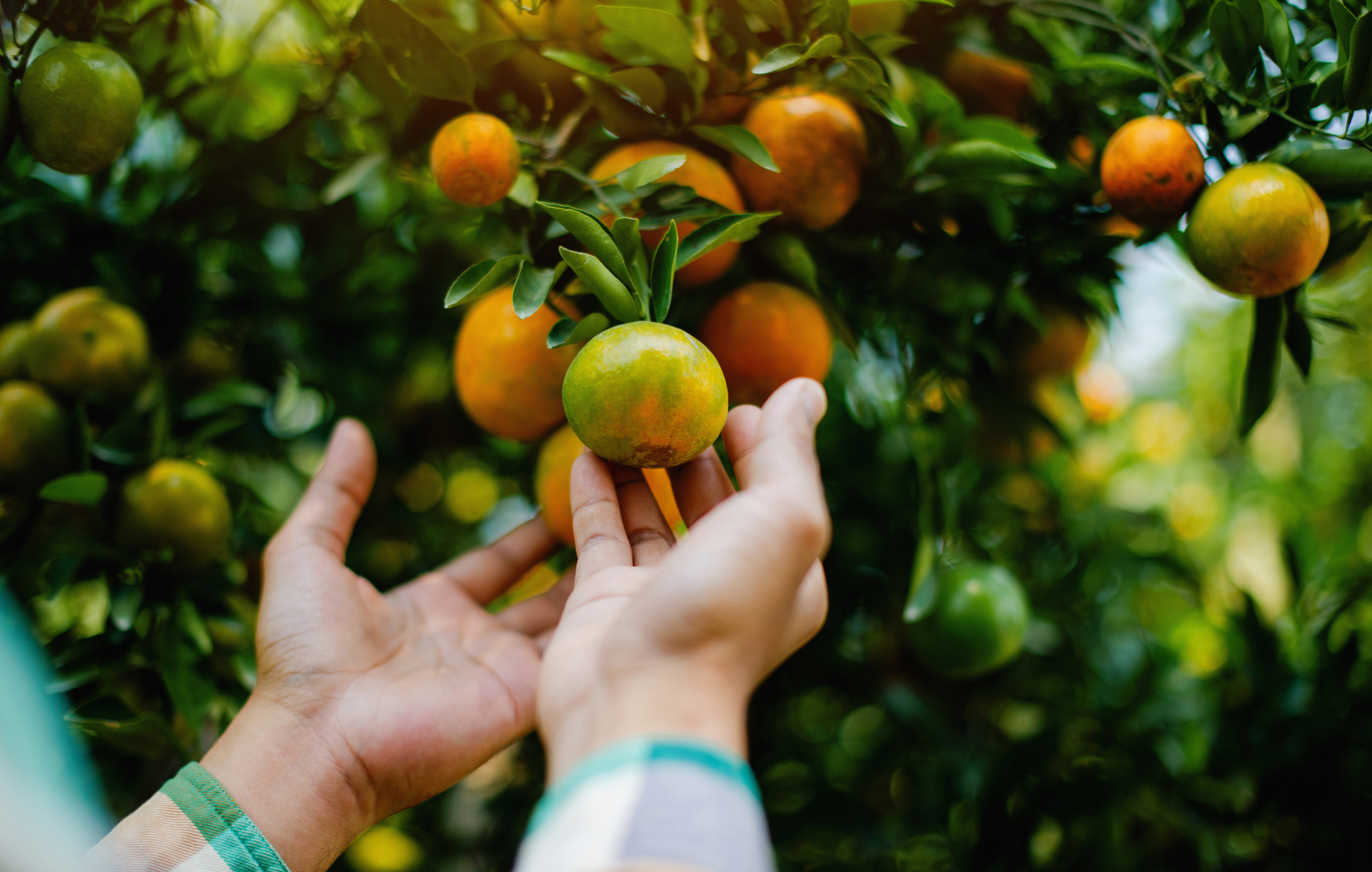
These biological formulations based on microorganisms directly influence a healthy and beneficial interaction between soil and plant, which contributes directly to the protection, stimulation, and nutrition of crops.
Probiotics and prebiotics have recently become two of the most common solutions for addressing problems faced by agricultural crops. Today, we focus on probiotics precisely because of their indisputable role in soil regeneration and in conserving the microbiome.
The key to understanding how they work lies in their composition, since agricultural probiotics must contain live microorganisms, physiologically stabilized to perform very specific functions that promote the restoration of the soil’s most essential functions. For this reason, probiotics not only provide benefits to crop production but are also the best alternative to traditional fertilizers. Why? Because they promote and maintain a proper balance of ecosystems.
They are mainly developed from bacteria (Bacillus, Pseudomonas, Azotobacter y Azospirillum) and fungi (Trichodermas y hongos micorrícicos, Gigaspora o Rhizophagus)
1
The interaction between the probiotic microorganism and the plant occurs in the soil
This is undoubtedly the main functionality of the probiotic, insofar as it stimulates the growth of certain microorganisms that allow the plant to obtain a concrete benefit, such as nitrogen fixation. Why does this happen? Because these microorganisms are usually naturally found in the roots and their surroundings, thereby promoting interactions in the rhizosphere between the soil, the plant, and the microorganism.
This is the basis of Plant Growth Promoting Microorganisms (PGPM), which, among other things, must meet very specific requirements such as:
• Not affecting humans or other beneficial microorganisms.
• Not invading the internal tissues of the plant.
• Being able to colonize the surface of the root.
• Reaching a high microbial concentration in the rhizosphere to fulfill their function.
2
They increase organic matter by promoting the release of nutrients
Probiotics help break down crop residues and other organic materials, allowing the release of essential nutrients such as nitrogen and phosphorus in forms available to plants. How? Because the increase of organic matter available in the soil contributes to the formation of humus and improves the substrate’s structure, which enhances its capacity to retain water and nutrients.
It is estimated that in healthy soil, the organic matter content is around 5%, and within that percentage, approximately 10% is made up of soil microorganisms.
3
They promote balanced, healthy, and resilient soil
The microorganisms activated when a probiotic is applied stimulate the activity of other beneficial microbes, creating a more biodiverse and functional environment.
In this way, a healthy balance of the soil microbiota is favored, which can prevent diseases and reduce the need for chemical treatments.
And most importantly, they prevent pathogenic microorganisms from taking hold; by producing antimicrobial substances such as lactic acid, they inhibit the growth of harmful fungi and bacteria. This promotes a suppressive soil, where no living organism dominates over others competing for the ecosystem’s resources.
Additionally, probiotics help improve soil quality by increasing its porosity and water retention capacity and facilitating nutrient penetration into the roots — something especially beneficial during drought cycles experienced by crops in certain parts of the world.
4
Microorganisms are part of the plants
The importance of microorganisms in the very nature of plants is quite significant, as it is estimated that approximately 50% of the cells in plants are of plant origin, while the other 50% are microorganisms associated with them.
In other words: approximately half of the cellular biomass of agricultural crops is composed of microorganisms. That is why, as we always say at MAFA, nature itself provides us with solutions to many problems.
Here we have the fungus of the genus Trichoderma spp., present in our probiotic Trichospore, which has the ability to solubilize nutrients while also playing a biocontrol role against other diseases. Or the fungus Aspergillus niger EEZ-93, which colonizes the plant root, improving growth and tolerance to drought and salinity. This is found in Asperbio, which increases the solubility of nutrients, including phosphate.
That’s why it is so important to protect the soil microbiome, which performs functions such as climate regulation, nutrient cycling, stress tolerance, pest and disease control, and contaminant degradation… And probiotics are one of our greatest allies in that task.