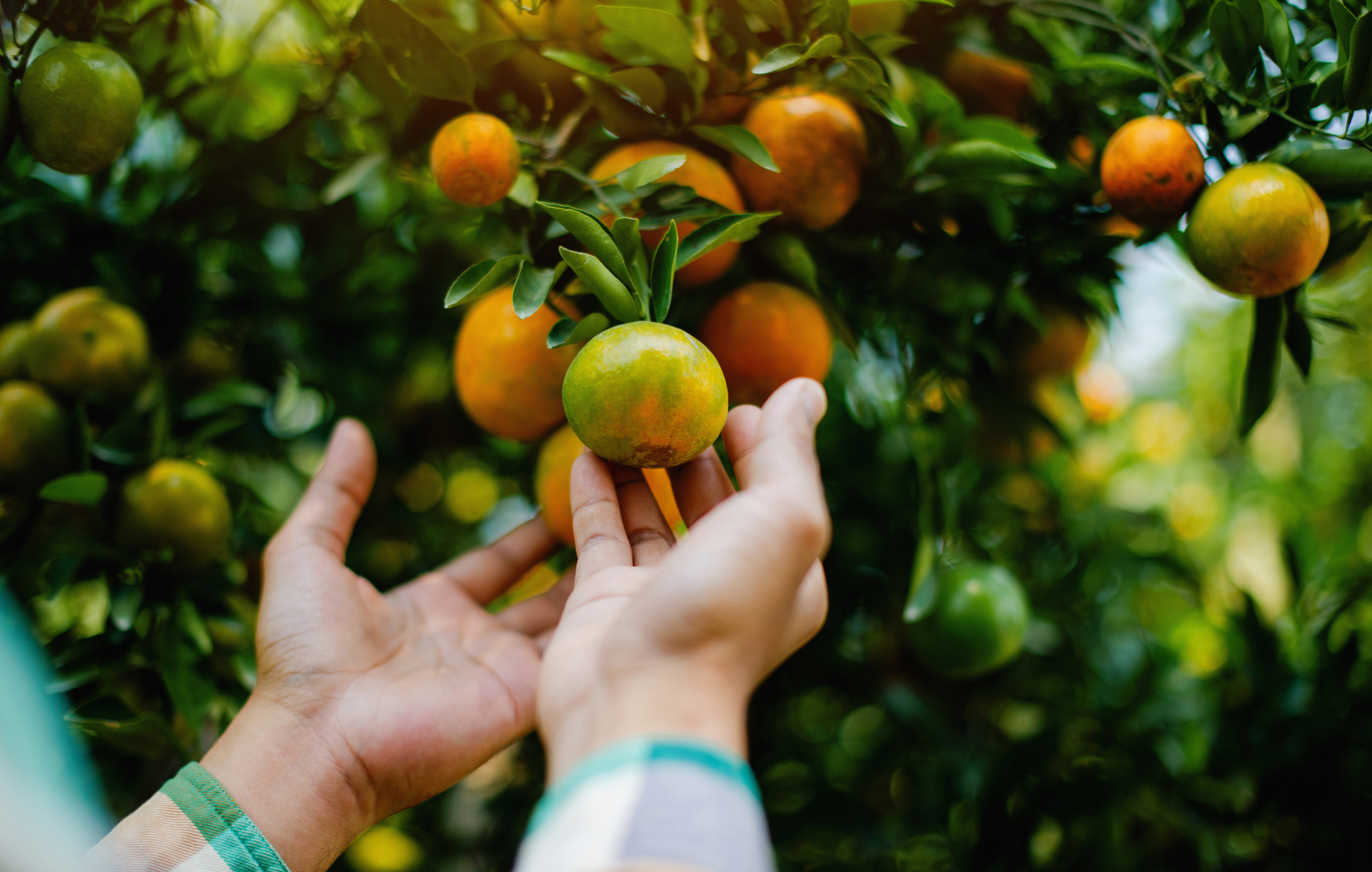
Aware that we are facing an issue with global repercussions, at MAFA we study biological solutions for an agriculture that, now more than ever, needs to minimize its environmental impact and promote the conservation of resources.
‘One Health’ is the theme of the International Day of Plant Health 2025, a day established four years ago, in 2021, with the aim of contributing to the achievement of the United Nations’ Sustainable Development Goals for 2030.
And it is precisely around this commemoration that the third edition of the European campaign #PlantHealth4Life kicks off. This initiative is promoted by the European Food Safety Authority (EFSA), the European Commission, and in Spain, by the Ministry of Agriculture, Fisheries, and Food. The theme of this year’s International Day of Plant Health says it all about the importance of plant health—an issue of global impact that highlights the need to protect the health of plants.
This is also the direction of the research and innovation work we carry out at MAFA, as we develop biological solutions for agriculture that, now more than ever, needs to reduce its environmental impact and promote the conservation of natural resources. And what does this mean in practice? It means healthy, resilient plants and trees.
4 reasons that explain the importance of plant health
Plants ‘nourish us‘
Yes. It’s that simple. The life of plants—of plant species—is our life too. Not surprisingly, 80% of the food consumed by humanity comes from plants, and 98% of the oxygen in the atmosphere is produced by plants. And it doesn’t stop there.
Plant health is the foundation of food security and is closely linked to human, animal, and environmental health. For example, pests or diseases that affect plant species can trigger a cascade of negative effects on the food supply and cause illnesses in humans through the transmission of harmful pathogens.
They are the foundation of a balanced ecosystem
Various organizations and entities, such as the International Plant Protection Convention (IPPC), have long been promoting global awareness about the importance of keeping plants and crops healthy against pests, diseases, and other factors that threaten their development. Plant health is key to a balanced ecosystem that “sustains” all living beings.
In an unbalanced ecosystem, up to 40% of crops can be lost due to pests, posing a major obstacle to achieving global food security, harming biodiversity, and negatively affecting the economies and livelihoods of everyone in the chain, especially farmers.
Plants need our protection
Weeds, pests, diseases that spread more quickly, increasingly degraded soils… There are many factors affecting the health of the plants that feed us, among many other things. That’s why protecting them is essential in a scenario that requires natural solutions for sustainable agriculture and balanced ecosystems—where managing plant health issues does not lead to biodiversity loss, environmental pollution, or food security problems, among other issues.
That is why at MAFA we are committed to more resilient agriculture—one that remains productive while respecting biodiversity and allowing for proper coexistence between crops and their environmental surroundings. We believe it is possible to develop bio-solutions that combine effectiveness against pests and diseases with low environmental impact and high social benefit.
Plant health problems are global today
This is another strong reason, because today international trade, climate change, and globalization are facilitating the introduction of pests from the other side of the planet. In this regard, institutions and authorities, such as the European Union, develop measures and legislation to act as barriers and borders against the importation of plants that may harbor harmful organisms and microorganisms.
In the face of this globalization of pests and diseases, it is essential to create products and treatments that are safe, specific, and residue-free for the environment.
These are three core aspects of MAFA’s agricultural solutions:
- Residue-free, because they are ‘short-lived’ products that, once they have fulfilled their purpose, are practically harmless to the environment.
- Safe, because they cause no toxicity during application or in harvested food.
- Specific, because they are designed to be applied under certain conditions and to address specific problems.
Given all the reasons we have to protect our plants, it is urgent that we work together to prevent the spread of devastating pests and diseases, promote scientific innovation to tackle these and other threats and encourage responsible practices in crops.
Talking about Plant Health means addressing food security, environmental protection, and sustainable development.