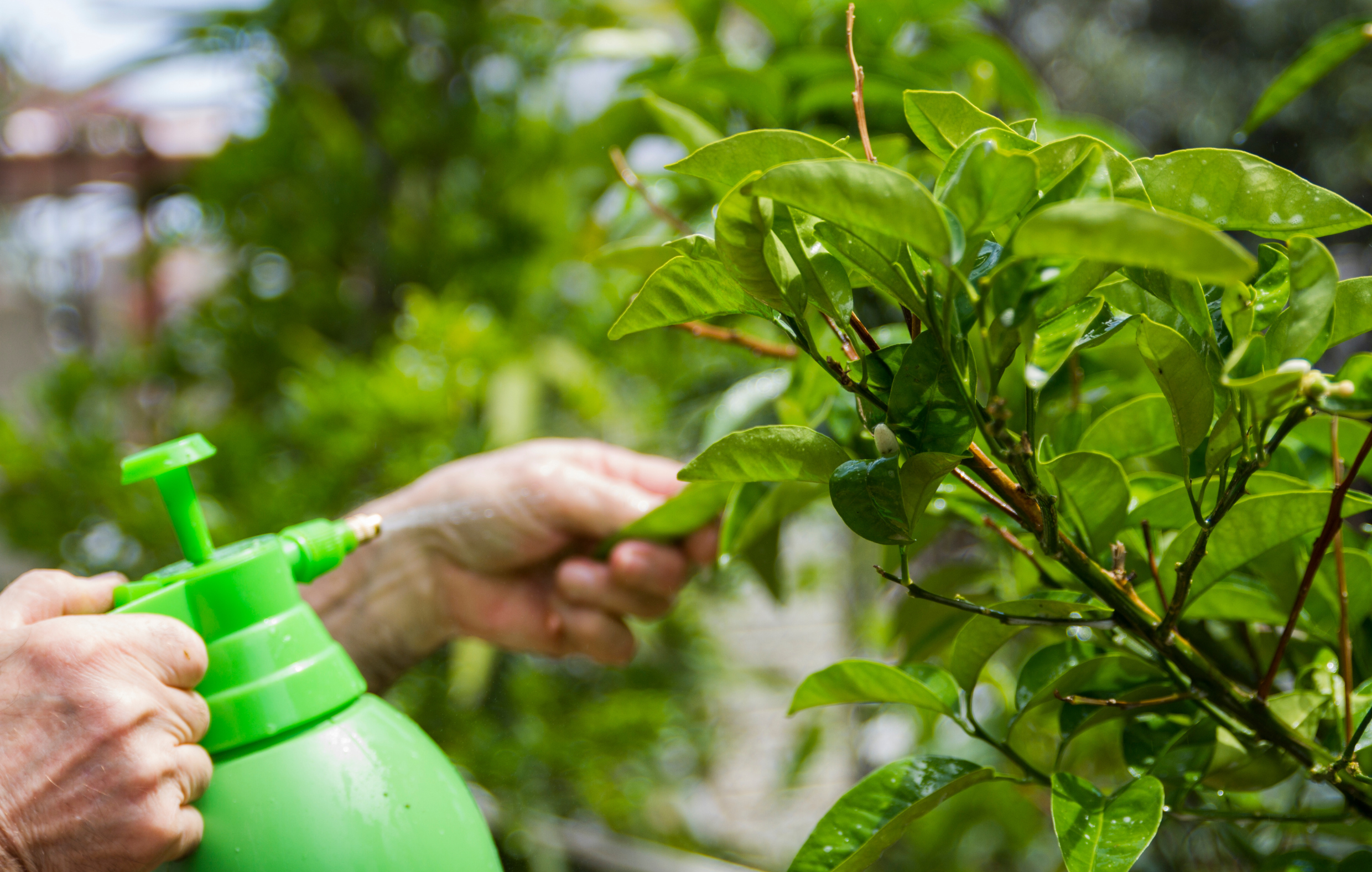
Priming can be defined as the process of preparing, training, and conditioning plants to better cope with future challenges. Just as in humans, plant species require a robust immune system to withstand diseases, pests, and environmental stress. This agricultural technique, analogous to vaccination, induces a state of alert in plants, enabling them to respond more rapidly and effectively to pests, diseases, and abiotic stress (primarily drought and salinity), without significant energy expenditure. In other words, through several key tools, the plant immune system is pre-activated, improving resilience while reducing the need for agrochemical inputs.
The primary objective is to stimulate the production of secondary metabolites and reinforce plant tissues, allowing crops to better resist pathogens and stress conditions.
Current biotechnological innovation goes beyond plant nutrition. Plant priming represents a shift from external, reactive protection to proactive, systemic internal immunity
What are the key mechanisms behind priming?
Systemic Acquired Resistance (SAR):
Activates the plant’s internal defence mechanisms, providing broad-spectrum protection against fungal and bacterial pathogens following a prior stimulus.Induced Systemic Resistance (ISR):
A defence response specifically triggered by beneficial microorganisms in the rhizosphere, which prepares the plant to cope with biotic stress.Memory Effect:
Once induced, plants maintain a state of metabolic alertness that allows them to respond more rapidly and aggressively to subsequent infections. This ensures continuous readiness to withstand stress conditions.
What tools are available to achieve priming?
1 / Use of Elicitors
Elicitors are molecules that function as “alert activators,” acting as false alarm signals that simulate an attack without causing actual damage. This triggers inducible immunity (ISR).
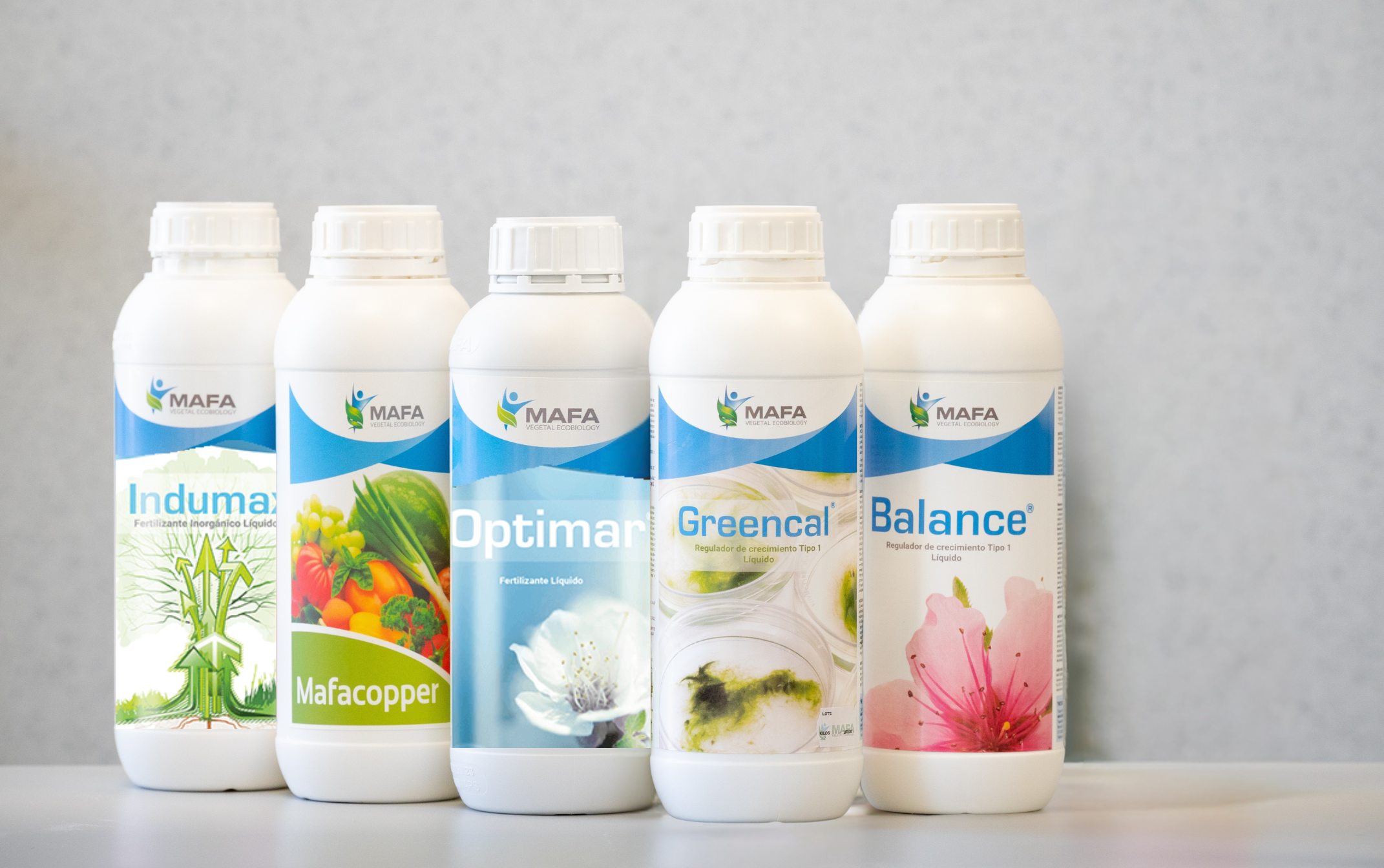
These substances stimulate the plant to produce defensive compounds (such as phenolics) and to develop physical barriers, thereby reducing the spread of disease. MAFA offers products such as Indumax.
Biological elicitors are also available, including advanced probiotics such as Trichoderma spp., present in Trichospore, which suppresses pathogenic fungi (e.g., Fusarium), activates induced systemic resistance (ISR), and enhances root health.
2 / Leveraging Soil Life
Within elicitors, special attention should be given to beneficial microorganisms involved in activating the plant immune system, specifically, the biological elicitors mentioned above. Harnessing soil microbiota is a biological tool that protects plants from the root level.
Through the use of probiotics and prebiotics, we achieve:
- Rhizosphere colonization: Targeted application of beneficial microorganisms (probiotics) strengthens the plant’s physical and biological defence before threats arise.
- Proactive internal immunity: Interaction between these probiotics and the root system acts as a continuous biological elicitor, activating plant immunity without causing disease-related damage.
- Biocontrol solutions: These not only protect through competition but also emit biochemical signals that prepare plant metabolism before actual pest pressure occurs.
3 / Application of Biostimulants and Nutrients
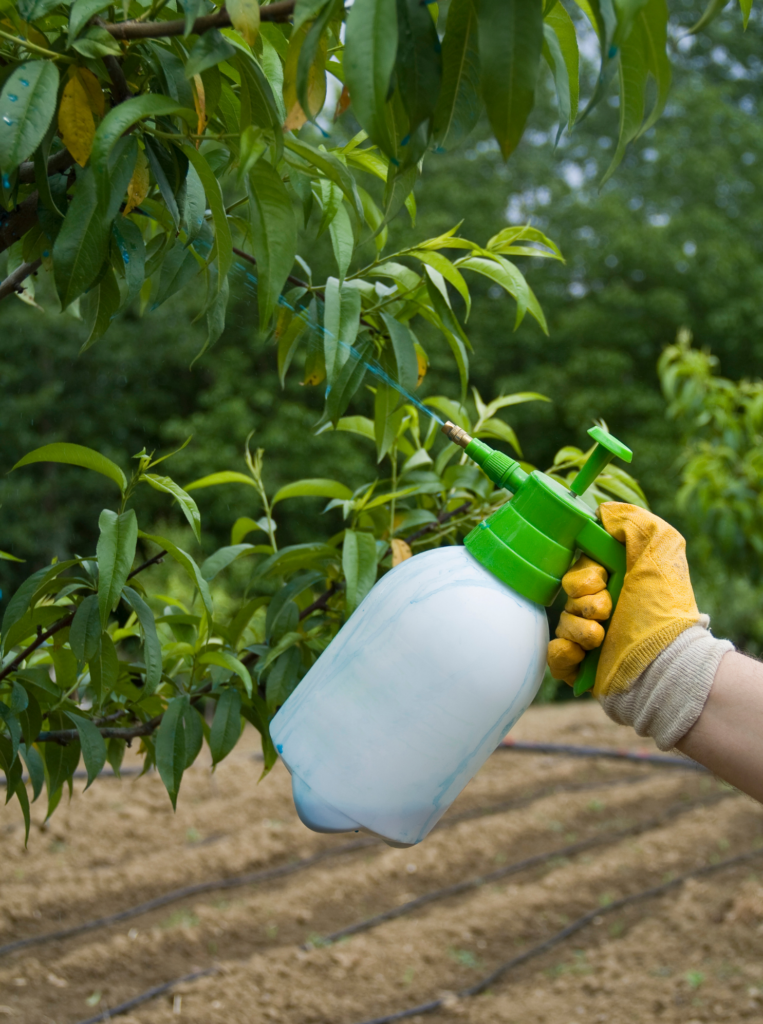
For example, applying calcium, copper, and biostimulants (amino acids, seaweed extracts, etc.) 2–3 weeks prior to stress periods (such as heat waves or drought) helps strengthen cell walls.
These compounds improve plant vigour and enhance recovery capacity under both biotic and abiotic stress.
- Amino Acids and Seaweed Extracts: Facilitate rapid recovery from stress conditions (drought, frost), allowing plants to allocate energy to defence mechanisms.
- Plant Growth-Promoting Rhizobacteria (PGPR): Such as Bacillus species, which enhance nutrient uptake and colonize roots, preventing harmful microorganisms from establishing.
- Silicon: A key precursor that reinforces physical cellular barriers.
- Chitosan: Derived from crustacean shells, activates defence responses against fungi and bacteria.
4 / Integrated Pest Management (IPM)
This technology is a cornerstone of sustainable, residue-free, and profitable agriculture.
The use of biological defense inducers reduces reliance on chemical inputs within integrated pest management programs, ensuring compliance with safety intervals and improving production profitability by delivering food aligned with sustainability and consumer health.
We believe that integrating priming solutions that prepare crop immune systems within a solid and coherent preventive strategy allows for faster and more effective responses to diseases, pests, and extreme climatic conditions.
Do not hesitate to contact us to implement an effective priming strategy for your crops.