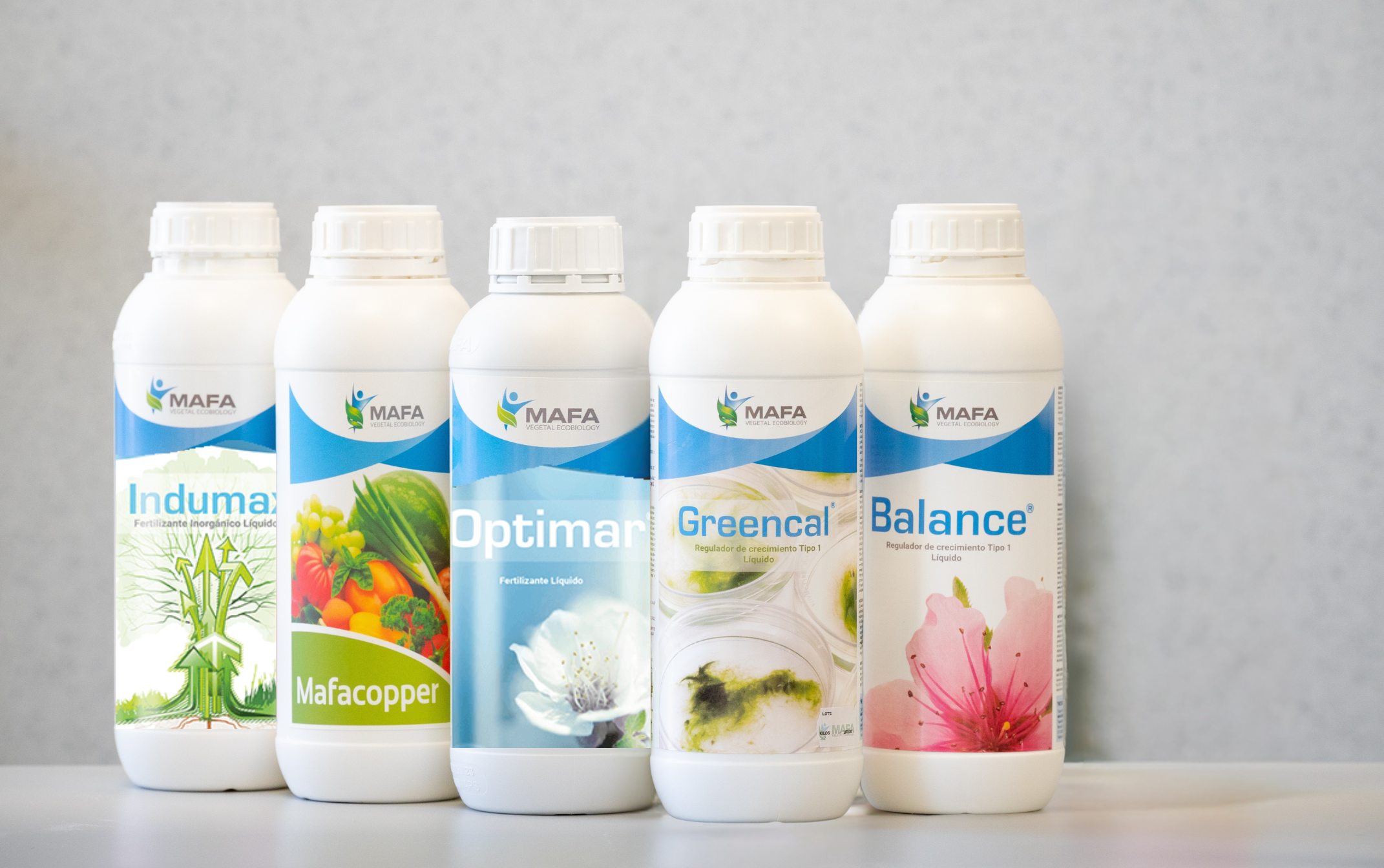
The transition toward sustainable food and agriculture is key to ensuring global food security. According to the FAO, sustainable agriculture is one that meets the needs of present and future generations while ensuring profitability, environmental health, and social and economic equity. In other words, sustainable food production is the only way to face the future. Let’s remember that on this World Food Day.
Sustainable food production is a priority for five main reasons: it protects the environment by reducing agriculture’s ecological impact, contributes to human health by producing more nutritious and chemical-free foods, promotes the resilience of ecosystems and communities, generates economic prosperity and social equity, and ensures the long-term viability of food systems. As the FAO emphasizes, it is urgent to address crucial challenges related to the environment, health, the economy, and society.
1
Environmental Protection
Producing food sustainably allows us to reduce the environmental impact that intensive farming and livestock production can cause. It is possible to carry out agriculture that considers and addresses the following aspects:
- Conservation of natural resources: Protecting soils from erosion and maintaining their fertility, as well as preserving water quality.
- Fighting climate change: Reducing greenhouse gas emissions through practices such as minimizing the use of chemical fertilizers or managing land more efficiently. At MAFA, we work in this direction by formulating biofertilizers and biostimulants that do not cause phytotoxicity.
- Preserving biodiversity: Encouraging a more balanced ecosystem by protecting and restoring natural habitats and avoiding pesticide use. This benefits pollinators and, of course, the soil microbiome we often mention at MAFA—because the microorganisms present in agricultural ecosystems can be our best allies.
2
Improved Food Security and Nutrition
Why do we say this? Because sustainable production can ensure that people have access to sufficient, safe, and nutritious food today and in the future without depleting natural resources. Let’s remember that food security involves the availability, access, consumption, and stability of the food supply.
In this regard, sustainable agriculture contributes to:
- Availability for future generations: Perhaps the most important point—sustainable agriculture ensures that future generations can also meet their food needs by basing its activity on protecting natural resources.
- Greater resilience of agricultural systems: Sustainable systems are more resilient to external factors we often discuss, such as climate change and pests. If our crops are prepared to face these challenges (MAFA’s goal), we can ensure more stable long-term food production.
- Access to quality food: Sustainable practices promote the production of nutritious, healthy, and safe food, free from pesticides and other chemicals. This is another cornerstone of MAFA’s work: zero-residue products.
3
Strengthening Local Economies
Sustainable production can strengthen local economies and create a fairer system for producers—addressing one of the major issues caused by economic globalization. Local approaches make it easier to meet the population’s food needs. For this reason, it is essential to foster agriculture that strongly supports:
- Support for farmers: Sustainable practices can reduce transportation costs and dependence on external inputs.
- The circular bioeconomy: That is, promoting an economy that reuses resources and minimizes waste, reducing costs and generating new business opportunities.
- Greater efficiency and profitability: Sustainable management improves the efficiency of resource use, such as water and energy, translating into long-term cost reductions for producers. MAFA’s solutions also enhance this efficiency and profitability without harming the environment and while protecting biodiversity above all.
4
More Nutrition and Safety Means Better Health
This is another principle we always defend at MAFA: agriculture is humanity’s ally, as it bears the enormous responsibility of providing much of our food—and doing it well.
Producing sustainably means profitability for the farmer but also social commitment through.
- The production of healthy foods: Avoiding the use of harmful chemicals such as pesticides, which can negatively affect human health.
- Reducing pollution: By decreasing water and air pollution, the incidence of diseases associated with exposure to environmental contaminants is also reduced.
- Promoting healthy diets: Sustainable production encourages the consumption of seasonal and local foods, leading to a fresher, more varied, and nutritious diet.
5
Greater Social Equity
Talking about sustainable agriculture and production also has an undeniable social dimension that fits perfectly into a fairer and more inclusive food system for everyone, as it:
- Reduces the gap between rural and urban areas: Improving the efficiency and profitability of local farms can help reduce poverty in rural communities and curb depopulation.
- Focuses on well-being and social equality: It helps address the serious issue of unequal access to food, ensuring that nutritious food is accessible to all.
Unfortunately, there Are no ‘magic wands’
But, as the FAO reminds us on this World Food Day, let’s go “hand in hand for better food and a better future”