Thermal stress is a relatively common form of abiotic stress in agricultural areas. The intracellular and extracellular ice that forms as a consequence of frost endangers the integrity of plant cells and can even cause their death. And although it is common for crops to acquire a certain tolerance to low temperatures, when conditions become extreme the consequences can be disastrous for production, both in quantity and quality, due to frost damage.
With winter around the corner and the first sudden drops in temperature occurring these days, frost is starting to affect many crops—and it is only natural to be concerned about protecting them. Thermal stress is an alteration plants suffer when exposed to extreme temperatures. And, as we already know, temperature—just like light, water, and substrate quality—is an essential factor for the proper development of the plant.
In other words, frost can significantly harm crops, especially outdoor horticultural crops, whose metabolic processes are affected when they fall outside their optimal temperature range. When does it really become concerning? When temperatures fall below 0°C, because although cold thermal stress occurs between 15°C and 0°C, below zero cellular death can occur, not to mention the water deficit that plant cells often experience as a consequence of freezing.

What damage can our crops suffer due to frost?
Crops can suffer many types of damage due to extreme (cold) temperatures. These may include visible damage and physiological damage. Necrotic and superficial lesions on leaves and fruits, spotting, cracking, splitting, and dieback of stems, abnormal ripening, discoloration, and loss of vigor are some of the visible consequences in plants affected by frost or freezing.
But we must also consider the physiological damage that plants and trees may experience, such as a clear decrease in photosynthetic activity, reduced enzymatic activity, inhibition of chlorophyll synthesis, and more.
Applying biostimulants: an effective preventive solution
Reducing the effects of frost on crops requires protecting the quality and productivity of horticultural plants. Biostimulants are proving to be an excellent preventive solution. In fact, using a biostimulant—based on seaweed extract (Ascophyllum nodosum) or amino acids—is a highly effective option for protecting crops against frost.
Ascophyllum nodosum seaweed reduces low-temperature stress
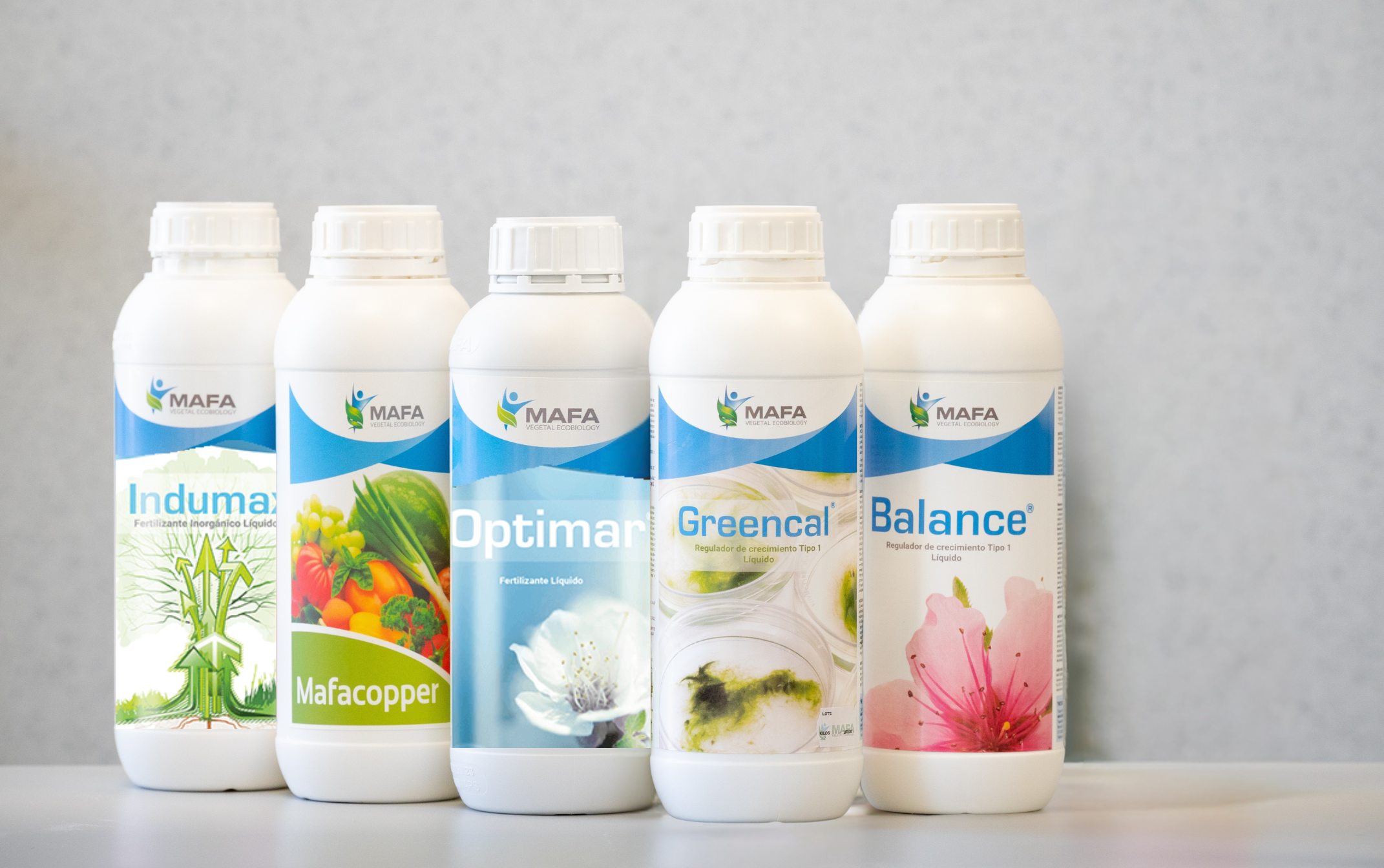
It is present in products such as OPTIMAR or GREENCAL
Why use seaweed extract against frost?
The bioactive compounds in seaweed extracts help mitigate the severe effects of falling temperatures.
Plants tend to accumulate proline, an amino acid present only in small amounts in plants under optimal growth conditions. This is where Ascophyllum nodosum comes into play, as it promotes the generation of this amino acid. Under freezing stress, proline increases sugar concentration and helps crops withstand the damage caused by sudden atmospheric cooling.
Ascophyllum nodosum is a perfect example of physiological adaptation to water, salt, and temperature stress. Thanks to this special biochemical composition, it is highly useful in agriculture. In fact, it is included in the formulation of MAFA biostimulants such as Optimar or Greencal.


Amino acid–based biostimulants: another way to prevent frost damage
Amino acids act as essential energy agents for any plant species. That’s why they provide great support when confronting adverse weather events such as extreme cold or heat. They help plants respond to all those situations that negatively affect plant metabolism and can diminish yield and quality.
Against low temperatures, amino acids promote water retention in the weakest points of the cytoplasm. This allows for optimal recovery. How?
- By preventing the plant from using more energy than necessary, which could weaken it or alter its metabolism.
- By helping fruit set.
- By promoting the production of phytohormones, which are essential for growth and flowering.
- Ultimately, by fostering more resilient crops.
Although frost poses a challenge for most agricultural crops, applying solutions such as biostimulants before stress events helps mitigate the impact of cold on both yield and crop quality. The MAFA team is fully available to help you choose the right product.