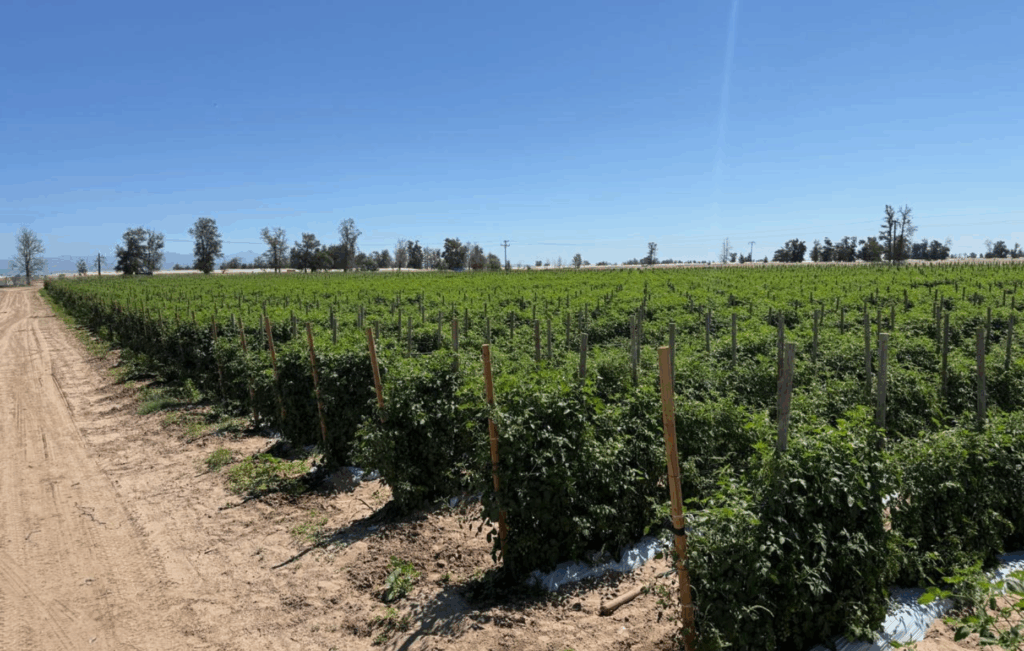
A new trial conducted by BioAgroConsultores on an affected tomato crop confirms the effectiveness of MAFA prebiotics and probiotics in generating healthy soil and more vigorous plants without wilting symptoms.
Within the sustainability approach that guides all of MAFA’s work, creating biodiverse environments with biological control is essential. This new trial, carried out by BioAgroConsultores in a grape tomato field affected by the Fusarium sp. fungus, confirms the effectiveness of prebiotics and probiotics in generating healthy soil and more vigorous plants with a more uniform color and no signs of wilt.
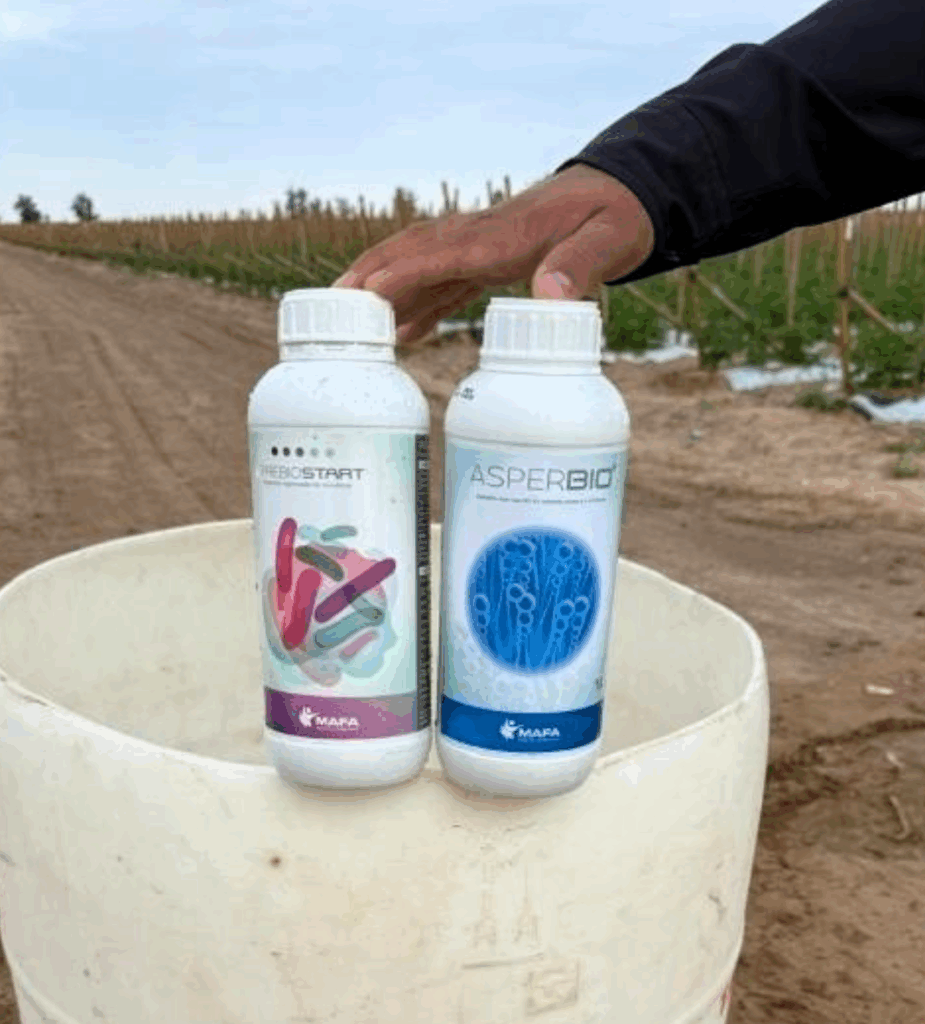
Specifically, in this trial conducted last summer in Mexico, we verified the high effectiveness of Asperbio and Prebiostart in the biological control of the Fusarium sp. fungus, a pathogen that benefits from reduced microbial competition and structurally deteriorated soils in which it easily colonizes roots, causing significant damage to the plant and the crop itself. Let’s look at the trial step by step and the conclusions of applying Asperbio and Prebiostart in this crop with severe fungal infection.
- Location: NEGOCIO AGRÍCOLA SAN ENRIQUE (NASE) – Vizcaíno, Baja California Sur
- Crop: Grape tomato, grown in open field with drip irrigation
- Start date: August 13, 2025
- Prepared by: Engineers Jesús Barba and Rafael Leyva
- Experimental design based on the application of Asperbio and Prebiostart, without chemical fungicides, on an affected area of 18.83 hectares, and identical agronomic management (but with chemical fungicides) in an equally affected and identical area. The rest of the agronomic management (fertilization, irrigation, pruning, trellising…) was identical for both areas.
OBJECTIVE OF THE TRIAL: To establish a healthy root system with greater colonization by beneficial microorganisms and greater functional resistance to Fusarium attack, achieving a more sustainable and profitable production with lower reliance on conventional fungicides.
Application Schedule
| Week | Product(s) | Dose (L/ha) | Observations |
| 33 11-17 Aug | Asperbio + Prebiostart | 3 + 2 | Start of the program; baseline sampling (Fusarium and microbiota). |
| 34 18-24 Aug | Asperbio + Prebiostart | 2 + 1 | Second application; beginning of root colonization. |
| 35 25 Aug– 31 Sep | Asperbio + Prebiostart | 2 + 1 | Consolidation of biological activity. |
| 36 1-7 sep | Asperbio + Prebiostart | 1 + 1 | Maintenance. |
| 37 8-14 sep | Asperbio + Prebiostart | 2 + 1 | Mid-cycle sampling; comparative root washing. |
| 39 22-28 sep | Asperbio + Prebiostart | 2 + 1 | Final reinforcement; end of the microbiological program. |
Evaluations Conducted
Yield: Harvest count in each plot.
Soil sampling: Before the program and after applications (Weeks 33 and 37) to quantify Fusarium sp. and beneficial microbiota.
Soil sampling for food web analysis (microbial health) and quantitative analysis of Aspergillus presence (Week 39).
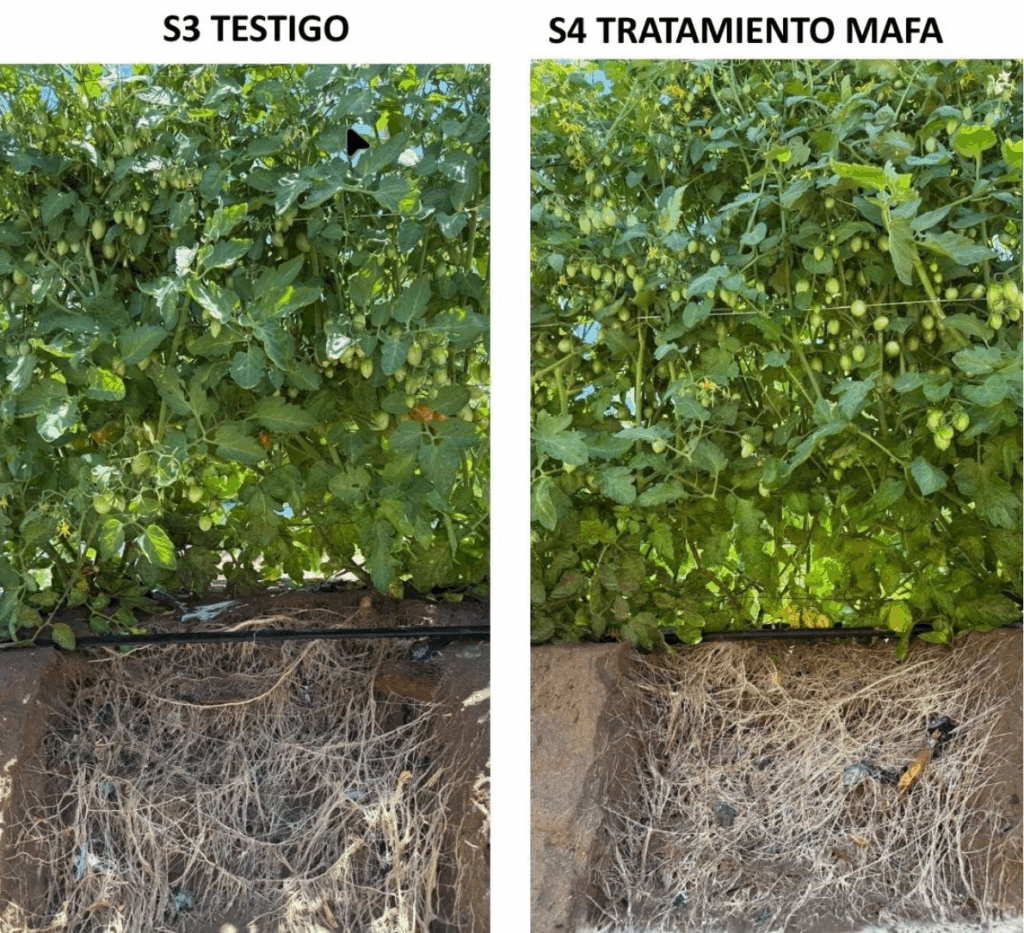
Root observation: Root washings for each plot, photographic record, and health scale (necrosis, discoloration, density) during Week 37.
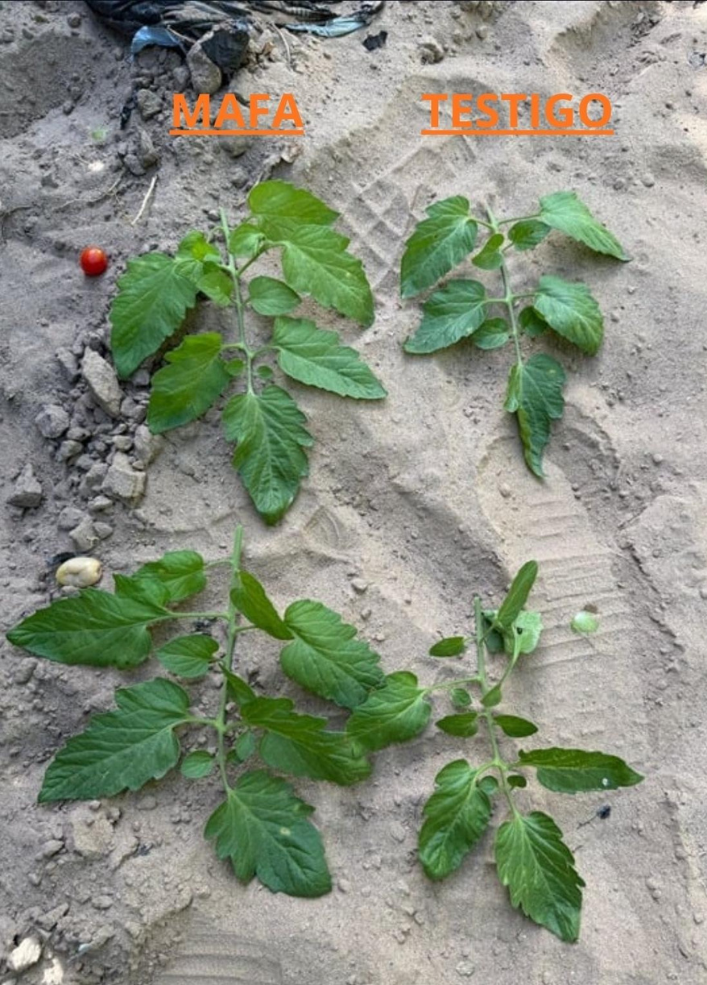
Aerial health: Visual evaluation of wilt symptoms and vigor (Weeks 37 and 41). Higher density, root color, flowering, and fruit quantity were observed compared to the control in the aerial part.
Initial Sampling – Week 33
| Plot | Fusarium sp. (propagules/g) | Other fungi detected | Observations |
| Treatment (S4) | 3,200 | Rhizoctonia sp. (low level) | High initial Fusarium pressure is typical of long-term production soils. |
| Control (S3) | 3,467 | Rhizoctonia sp. (low level) | Similar pathogenic pressure. |
Both cultivation areas showed high Fusarium loads, with soil characterized by microbial imbalance and productive fatigue.
Sampling – Week 37
| Plot | Fusarium sp. (propagules/g) | Variation vs initial | Observations |
| Treatment (S4) | 3,000 | -6% | Moderate reduction without fungicides; indicates microbial competition and stabilization. |
| Control (S3) | 2,800 | -19% | Greater reduction attributed to systemic fungicides. |
The MAFA treatment achieves stabilization without fungicides or negative effects on microbiology.
Beneficial Microbiology Analysis (Week 37)
| Bacillus spp | 1.37×10⁶ UFC/g |
| Actinomycetes | 1.07×10⁶ UFC/g |
| Aspergillus spp | 333 propágulos/g |
Soil Sampling – Food Web (Week 39)
| Parameter | Optimal range | MAFA Treatment (S4) | Control (S3) | Interpretation |
| Total fungi (CFU/g) | 10,000–1,000,000 | 32,000 | 2,200 | MAFA shows a healthy fungal population; control remains depressed. |
| Total bacteria (CFU/g) | 10⁶–10⁸ | 8.2×10⁶ | 1.1×10⁷ | Both within range; MAFA maintains adequate bacterial levels. |
| Fungi:Bacteria ratio | 0.001–0.01 | 0.004 | 0.0002 | Normalized ratio in MAFA, indicating suppressive soil. |
| Beneficial nematodes | 20–100 ind/100 cm³ | 27 | 73 | Both within range; MAFA maintains functional populations. |
| Shannon diversity index | 1.0–2.0 | 0.93 | 1.10 | MAFA in consolidation; fungal balance in recovery. |
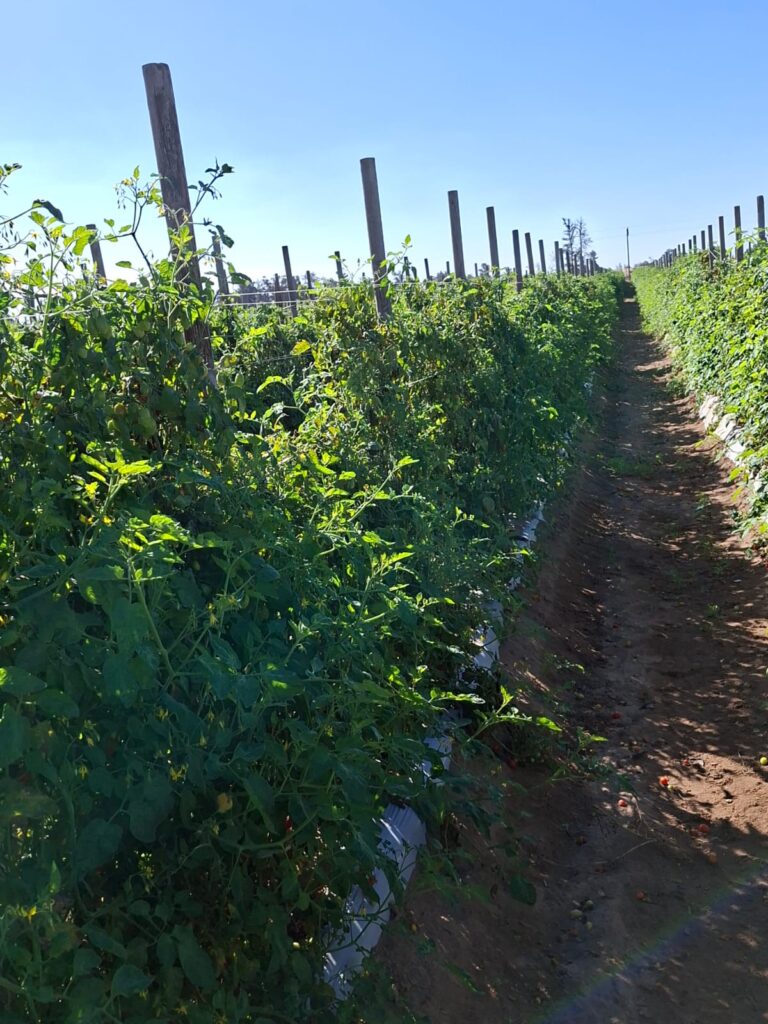
TREATED WITH MAFA

WITHOUT MAFA TREATMENT
Unlike chemical treatments, biological management favored a more diverse and resilient microbial ecosystem that tends to stabilize pathogen levels within non-damaging thresholds for the crop.
HARVEST DATA AS OF NOVEMBER 13, 2025
- The MAFA treatment resulted in plants with greater vigor, more uniform color, and no symptoms of vascular wilt—traits associated with a healthy root system and balanced rhizosphere environment.
- An increase of 1,895 buckets was recorded in the MAFA treatment compared to the control, representing 29.06% more fruits. Additionally, there were 1,025 more boxes of product compared to the control, reflecting a 35.46% higher total yield.
Through this treatment, we aim to restore the soil’s biological functions, promoting sustainable Fusarium management through balance, diversity, and natural competition